Thursday, November 28, 2019
Photojournalist Profile
The photojournalist that I chose to profile was Lynsey Addario. Throughout the course I've come to learn more and more about Lynsey. I got to see her photographs and the different stories that she has covered and I just got a sense of the kind of photojournalist she is. She became one of my favorite photojournalists pretty quickly. Her photographs stuck in my mind and I would look through her own personal blog because I was intrigued. She is definitely a very inspiring and brave photojournalist.

Tuesday, November 19, 2019
What motivates Photojournalists
David Guttenfelder

Photo by : National Geographic

Photo by : David Guttenfelder
Image source : https://www.theatlantic.com/photo/2012/04/glimpses-of-humanity-in-choreographed-north-korea/100280/
Ami Vitale
Ami in a Ted Talk talks about her journey to war zones, her mindset in the field, and what motivates her work. She talks about what the people wanted to see verses what she wanted to show. "I thought that was what they wanted, to bring back the most violent, dramatic images. And the stories that give us joy, that help us relate to with one another are not worth telling." Ami wanted to show not only the bad things that we were going on but also the good. Ami is motivated by showing some of the good in the world. That not everything is always bad, and that the good is worth telling too. Like Xyra Cruz once said, "I want my images to help people, if my images help people, it makes me feel useful to society." I think Ami Vitale has that same mindset as well. She wants to show the good while helping people, helping our world. To show them that not everyone is violent, or evil, but that we have good things in this world as well.

Photo by : National Geographic
Image source : https://www.amivitale.com/about-ami/

Photo by : Ami Vitale
Image source : https://www.nationalgeographic.com/photography/proof/2016/08/ami-vitale-photographer-q-a/
Greg Constantine
Greg's main focus is human rights, injustice, and inequality. He is motivated by giving people that voice when no one else will, and he gives it to them by his photographs. Greg talks about different words he hears from these people and puts them into sentences, "I fly through this life with no where to land. These are words of men, women, and children all around the world. What binds them together to make this one voice." His photographs get published and with that their voices, their needs, their worries get published. He learns their stories, takes photographs, and tells their stories through the photographs. You can feel his passion, his anger: you can feel him in his work.

Photo by : Pulitzer Center
Image source : https://pulitzercenter.org/people/greg-constantine

Photo by : Greg Constantine
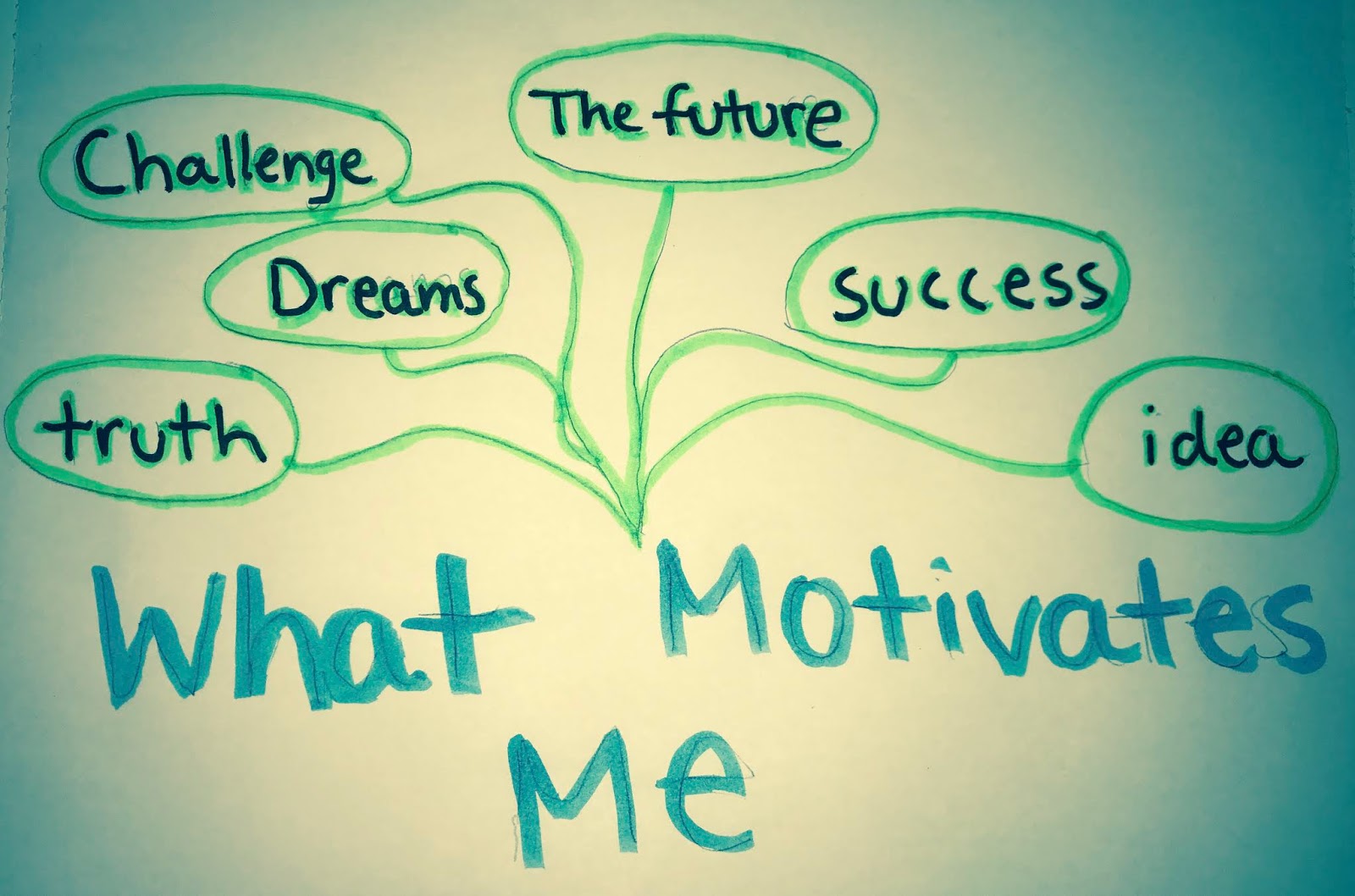
Photo by : Liliya Stepanchuk
With the three photojournalists that I researched, I agree with all three of their motivations. David Guttenfelder takes photographs of the truth, and one of my most important motivations is also the truth. Ami Vitale wants people to see the good in others and our world, and I find that also so important. Greg Constantine wants to make people equal and give them a voice so that they have a different future, and one of the things that motivates me is the future. With all three of these photojournalists, they all portray a challenge. They all go all around the world to take photographs to tell a story, or to say a message. And the places they go aren't all that great and safe, but they go to pursue what they love and they are driven by what motivates them.
Tuesday, November 12, 2019
Photojournalism and Bias

Photo by : Ed Clark
Image source : http://time.com/3764064/mourning-fdr-in-a-classic-photo-the-face-of-a-nations-loss/
This is definitely an example of an emotional driven photograph. These kinds of images provoke messages that aren't written out or clearly shown, but it's through the emotion that makes this photograph so powerful. I see a man in the middle with a lot of emotion on his face and the crowd shows many different emotions as well. This makes me some sort of sorrow for the man in the middle. I don't know why he is so upset but the amount of pain on his face, in a way makes me, the viewer, feel that sadness. It is the field of photography, that by far the most significant gains have taken place. Meaning that photographs are more then just images that people look at but they also have a deeper concept to them, and sometimes photographs bring change to our world.
Focus
In this photograph of the man in the middle, it i clear that he is then main focus of the image. The back is somewhat blurred, making the man stand out. With this composition is leads the viewers eye to what is most clear in the photograph, which is the man in the middle.
Face Expressions
A vital part of the image is the face expression portrayed on both the man in the middle and the people in the background. With face's visible it gives the photograph it's emotional and it's meaning. While the man clearly shows a lot of sadness because he is crying and the emotion is written n his face. The people in the background show different emotions. Some are looking at him with judgment or confusion, while others are also showing signs of sadness.
Background
As talked about in the face expressions portion, the background is also very important in this image. The people play a big role in what the photo is trying to show. The crowd and way they are looking at the man, and the way some are showing emotion, it all adds up for the whole photographs purpose. The way the photojournalist incorporated those people in the background, gave the image a deeper meaning.
Image A : Truth

Photo by : Carol Guzy
Image Source : https://www.cbsnews.com/pictures/pulitzer-prize-winning-photographer-carol-guzy/16/
Feelings
In this photograph, one of the first things that stands out is the feelings that this image brings out. The joy and happiness on the kids faces, is what makes this photograph so great and eye appealing. There are many different types of photographs that express different feelings, and sometimes it may seem like the most powerful images are those that are heartbreaking and sad, so it's nice to see an photo that brings happiness to the person looking at it.
Rule of Thirds
The photojournalist used the composition, rule of thirds to space out the photograph nicely, while providing just enough detail. There are the beautiful mountains on one third of the image and the children in the other two thirds. The small exposure of the background gives the final image a much different view then if it was taken with just the children in it. It gives it some sort of space, and the composition of the photo looks a lot better as a whole.
Colors
The different array of colors puts the image in a different light than compared to if it was in black and white. The nice and contrasted colors annunciate the emotions of the image. When colors are expressed, it gives a much more positive effect on the photograph.
While looking for a photojournalistic image that I found to express truth, I came across the image by Carol Guzy. This image stood out to me because of the emotion that I felt after looking at it. I knew that this photo expressed the truth by seeing the face expressions and emotions of the children and just knowing that that's real joy and real happiness. Out of the four ways of knowing, I definitely knew from the emotion/intuition concept. In the video, photojournalism and biases part one, professor Nordell talks about his view on images that don't express the truth and one of the ways he describes them are “depicted events that hadn't actually occurred.” But this image is not like that; this image shows the true joy that these kids are feeling. Maybe their whole life isn't this joyful but in that moment and in that time that the photo was captured, those feelings were real, and that's what a true photojournalist image is. For their global audiences we are opening minds, challenging perceptions and providing new sources of inspiration and insight. These are the images that put all around the world to spread these positive messages and get people thinking. The best images are the ones that make the viewer feel by just looking at the photograph.
Feelings
In this photograph, one of the first things that stands out is the feelings that this image brings out. The joy and happiness on the kids faces, is what makes this photograph so great and eye appealing. There are many different types of photographs that express different feelings, and sometimes it may seem like the most powerful images are those that are heartbreaking and sad, so it's nice to see an photo that brings happiness to the person looking at it.
Rule of Thirds
The photojournalist used the composition, rule of thirds to space out the photograph nicely, while providing just enough detail. There are the beautiful mountains on one third of the image and the children in the other two thirds. The small exposure of the background gives the final image a much different view then if it was taken with just the children in it. It gives it some sort of space, and the composition of the photo looks a lot better as a whole.
Colors
The different array of colors puts the image in a different light than compared to if it was in black and white. The nice and contrasted colors annunciate the emotions of the image. When colors are expressed, it gives a much more positive effect on the photograph.
While looking for a photojournalistic image that I found to express truth, I came across the image by Carol Guzy. This image stood out to me because of the emotion that I felt after looking at it. I knew that this photo expressed the truth by seeing the face expressions and emotions of the children and just knowing that that's real joy and real happiness. Out of the four ways of knowing, I definitely knew from the emotion/intuition concept. In the video, photojournalism and biases part one, professor Nordell talks about his view on images that don't express the truth and one of the ways he describes them are “depicted events that hadn't actually occurred.” But this image is not like that; this image shows the true joy that these kids are feeling. Maybe their whole life isn't this joyful but in that moment and in that time that the photo was captured, those feelings were real, and that's what a true photojournalist image is. For their global audiences we are opening minds, challenging perceptions and providing new sources of inspiration and insight. These are the images that put all around the world to spread these positive messages and get people thinking. The best images are the ones that make the viewer feel by just looking at the photograph.
Image B : Not truth

Photo by : John Partipilo
Image source : https://johnpartipilo.com/nashville-trump-rally-and-protest/
Main subject
With this photograph the main focus is the young man in the center of the image. The way that he is expressed in the middle, its clear that he is the one that the photojournalist wanted the people to see. His expression and emotion make the whole image seems like that emotion because he is the main topic or the main subject of the photograph.
Symmetry
While this image is not perfectly symmetrical, it does have some symmetrical compositions to it. The way that the man in the middle is placed and how all the people around him are placed in a similar manner. With this effect, the man in the middle stands out much more than compared to if the background didn't look so similar on both sides. The symmetry makes the main subject more clear.
Quality of light
With this photograph, the quality of light and choice of colors bring a more negative form to the image. I think that is what the photojournalist wanted because its not a very happy or positive picture and the quality of lights suits the image. The man in the middle, once again, has more white colors on him while the background displaces more darker colors.
To find an image that I considered not true, was kind of difficult. The image I chose by John Partipilo, I saw as not the truth and I knew by the language/authority concept. I learned from professor Nordell and others that sometimes images cut out certain people or situations and only leave another certain part in the photograph to express that idea more clearly. The main reason that I found this photograph not true, was because the photograph displayed just a certain portion of the protest. Protests usually have people for or against and in this image I only see people clearly angry, and against a particular topic. To me, I considered this as a bias that the photojournalist may have had. Maybe he was also whatever this young man was fighting for. I think that the whole story isn't told in this one image but just a part of the story. Commodified imagery threatens photographers primary role as storytellers. I believe the whole story is not told in this one image.
The yellow journalism has been a popular journal for quite some time now. And it's known for its journals and publications on a variety of topics that may or may not be true. A lot of photographs are displayed that are contradicted for being true or not true. Yellow journalism could be imaginative yet frivolous, aggressive yet self-indulgent. A lot of the images are great examples of photojournalistic images that are not true. Images that are positioned a certain way and journals that are written a certain way just to get more publicity.
Tuesday, November 5, 2019
The Ethics of Photojournalism
The ethics of photojournalism has always had its controversies. Everyone has their own take on what ethics or morals are most important and in the photojournalism industry, it gets a little complicated. In the article Behind Closed Doors, the photojournalist Donna Ferrato takes pictures of a man beating his wife. Donna was a close friend of the couple and she was also into taking photographs. She would photograph the couple, the parties they had, and their lifestyle. One night things took a turn and Donna heard yelling and screaming. Once she got into the room she saw the husband beating the wife. She said “I took a picture, thinking he would stop but he kept going, he didn't care.” After that, things just got worse but Donna kept photographing everything that was going on. She photographed the beating, yelling, and the crying wife.
This is when the controversies come into play. Was Donna taking the pictures of the beating selfish and inconsiderate towards the wife? Or did Donna's photographs spread the word of domestic violence in private homes where the public eye is hidden? Photojournalists have this difficult decision to make, when taking photographs are okay to take or when they are simply inappropriate to take. Some people simply just wouldn't have the will power to stand there watching another person getting beaten while others see it from a different perspective. In an interview, Donna was asked about that night and she stated, “This is a cautionary to photographers who try to interfere with people's lives, you don't know what people are going to do.” While she was surprised and frightened, she continued taking the photographs. She later tried to get them published but no one wanted to publish them until she wrote a book about that night and got the photographs published. She tried to spread the word of violence and how people don't know what goes on behind closed doors. In a way, such a horrible night actually turned out to help others.


With my personal view on ethics, I wouldn't be able to stand their and take photographs of this situation. Some of the most important ethics to me are love, responsibility, respect, and trust. I believe that in this situation a lot of my most important ethics would not be displayed if I stood there taking photographs. I would feel like it's my duty to step in and try to stop the fighting to the best that I could, and if not, then I would reach out for help. Me trying to stop the fight would show love and trust towards the wife, especially if she was my friend. Also from one human to another, I feel like it is my responsibility to stand up for someone that is in a vulnerable state and can't do anything about a situation.

People have many different takes on when photographs are appropriate to take versus when they are not. Some photojournalistic images that have been taken at “inappropriate times” have had a lot of impact on a much bigger problem. So it's hard for photojournalists to make the right choices on when photographs can or can't be taken. Most photojournalists do have a code of ethics but sometimes they do break them for that perfect shot. Not to make that person uncomfortable or feel disrespected but for the bigger picture and for that bigger impact.
This is when the controversies come into play. Was Donna taking the pictures of the beating selfish and inconsiderate towards the wife? Or did Donna's photographs spread the word of domestic violence in private homes where the public eye is hidden? Photojournalists have this difficult decision to make, when taking photographs are okay to take or when they are simply inappropriate to take. Some people simply just wouldn't have the will power to stand there watching another person getting beaten while others see it from a different perspective. In an interview, Donna was asked about that night and she stated, “This is a cautionary to photographers who try to interfere with people's lives, you don't know what people are going to do.” While she was surprised and frightened, she continued taking the photographs. She later tried to get them published but no one wanted to publish them until she wrote a book about that night and got the photographs published. She tried to spread the word of violence and how people don't know what goes on behind closed doors. In a way, such a horrible night actually turned out to help others.

Photo by : Donna Ferrato

Photo by : Donna Ferrato
Image source : https://time.com/5153687/domestic-abuse-photographs/
With my personal view on ethics, I wouldn't be able to stand their and take photographs of this situation. Some of the most important ethics to me are love, responsibility, respect, and trust. I believe that in this situation a lot of my most important ethics would not be displayed if I stood there taking photographs. I would feel like it's my duty to step in and try to stop the fighting to the best that I could, and if not, then I would reach out for help. Me trying to stop the fight would show love and trust towards the wife, especially if she was my friend. Also from one human to another, I feel like it is my responsibility to stand up for someone that is in a vulnerable state and can't do anything about a situation.

People have many different takes on when photographs are appropriate to take versus when they are not. Some photojournalistic images that have been taken at “inappropriate times” have had a lot of impact on a much bigger problem. So it's hard for photojournalists to make the right choices on when photographs can or can't be taken. Most photojournalists do have a code of ethics but sometimes they do break them for that perfect shot. Not to make that person uncomfortable or feel disrespected but for the bigger picture and for that bigger impact.
Tuesday, October 29, 2019
Trials and Triumphs
Lynsey Addario is avery successful photojournalist. She worked for many well known, and popular news magazines, like the National Geographic, the New York Times Magazine, and the New York Times. Lynsey was born in London and in 1995 graduated with international relations. With this degree she soon became every interested in capturing moments, especially internationally. In January 2000, she moved to New Delhi, where she was based for eight months, covering India, Afghanistan under Taliban rule, Pakistan, and Nepal for the Associated Press, the Boston Globe, and the Houston Chronicle. She quickly became a success in the photojournalism industry. Lyndsey was a brave, and very will powered women and that is what made her so good at her job.
One of her big moments was when she was in Afghanistan during the 9/11 attack and she got called back to America to take the photographs. That proves how well known she became so fast. There are many photojournalists in America that could be there for taking the photographs but they decided to call her. She also made her way a lot around the world and some of her most powerful photographs are pertaining to the isis crisis. Photography becomes a way for her to travel with a purpose—a singular ambition that shapes and drives her. Lynsey had a lot of successes throughout her photojournalistic life and eventually she wrote a book about her life, written to show her ambition
and what drives her to do what she does.
About four-in-ten working women (42%) in the United States say they have faced discrimination on the job because of their gender. Discrimination for women in jobs have been a problem for many decades now. Some don't believe that is it still an on going issue but to this day women do admit get discriminated for their gender. Jobs like photojournalists, police officers, construction workers etc. A job that I personally know of that has job discrimination a lot is construction and the reason being because women still to this day are seen and believed to only have clean, not heavy duty jobs. With construction it is a very "get your hands dirty" kind of job and a lot of people say those kinds of jobs are not for women.
and what drives her to do what she does.
About four-in-ten working women (42%) in the United States say they have faced discrimination on the job because of their gender. Discrimination for women in jobs have been a problem for many decades now. Some don't believe that is it still an on going issue but to this day women do admit get discriminated for their gender. Jobs like photojournalists, police officers, construction workers etc. A job that I personally know of that has job discrimination a lot is construction and the reason being because women still to this day are seen and believed to only have clean, not heavy duty jobs. With construction it is a very "get your hands dirty" kind of job and a lot of people say those kinds of jobs are not for women.
The discrimination goes further then that, because women get turned down jobs, get paid less then men, and getting treated like less competent for the job. But women that do jobs that have discriminations are the most powerful and motivating women. Women like, Lynsey Addario prove this. She has been all around the world and been to so many dangerous places, where some men wouldn't have the courage to do that job. Women deserve the same opportunities as men.

Photo by : Nichole Sobecki
Image source : https://www.theguardian.com/books/2015/apr/05/lynsey-addario-war-journalist-interview-its-what-i-do
Year Created : 2015
Depth of view
The background of the photograph is blurred so that the picture is clearly focused on the photojournalism, Lynsey Addario. This effect gives the viewer a clear understanding of what the main subject of the picture is. While some focus is on the background, the main focus is Lysney Addario.


Rule of thirds
This effect of dividing the photograph into three thirds brings out the main focus of the picture. With this, it also makes the photograph look neat with one side it is the boys in the background and the other side just a nice calm background. The image looks organized and easy to look at it.
Light and color
The colors in the photograph give it life and meaning. Its not meant to be a sad picture, so the light and color portray a more calm and in a way, happier mood. There is more light on the dished with Lynsey so that it makes her stand out even more then the back of the photo.
Why I choose this Image ?
This photograph stood out to me because its not just a random picture of a photojournalist but its a picture with some meaning. All the other photographs of Lynsey were just a profile of her while this came with a deeper purpose. The different compositional principals made the photograph that much better.

Photo by : Lynsey Addario
Year Created : 2017
Texture
The texture of the photograph brings a sort of rough presence to the image. Giving me the thought that the picture while displaying happy children playing, the roughness shows me that that may not be the whole story. The silky dress on the girl and her clothing texture makes me the picture still have some good feelings to it.
Expressions on the faces
The girl in the middle gives a sort of sass but at the same time it is clear that she is having a good time. The kids in the background are happy and playing so this pictures mood is joyful. The expressions on the faces while them being a small part of the photograph in general, they still play a big role in giving the overall emotion of the whole photograph.
Shadows
The shadows in this image highlight the main point of the picture. The background is mostly dark and this shows it is not the main subject. While the girl in the middle has less shadows and more light, it portrays her more greatly in the image.
Why I choose this image ?
This image made me happy and broke me some emotions when I looked at it. I liked the sass on the girls face in the middle and I like the way everything was incorporated to make the picture nicely presented. I also like photographs that show a lot of emotion with just one main subject and I got that affect from this picture.

Photo by : Lynsey Addario
Year created : 2004
Feelings
The feelings in this photograph are very strong and that brings out the true meaning of the image. The emotions expresses the picture to show the sadness and despair of what the family is going through. They appear exhausted and desperate which makes it so emotional. In a way, it's purpose is to make the viewer feel, just the way these people feel, or at least try to feel.
Background
The background is plain but at the same time, the small details make the picture complete. The background being very similar in color, plus the small details makes the people in the middle stand out more. The trash in the back even brings some emotion into the picture, it shows that it's not a clean and healthy place for the children. The photojournalist may have made this incorporation of the background for this purpose.
Framing
The composition and framing of the photograph bring the eye to the main point. Most of the picture is the same and the portion that is different, the view is drawn it that focus. Even though it's simple, it has a big effect on the picture.
Why I choose this image?
I choose this image because its simple but at the same time the simplicity brings a lot of emotion. I like the way and the angle that Lynsey took the photograph to not only capture the main subjects but also how she incorporated the background. The emotion, I believe was strong because I felt that emotion looking at the image.
Monday, October 21, 2019
Technology Timeline
Wet plates - 1851
The collodion process was said to be invented in 1851, and first came the wet plates. The wet plates were a complicated process. The process began with glass plates getting put into chemicals, and while the plates were still wet, they would be put into the camera to take photographs. After the picture was taken the plates were put back into the chemical to get processed and develop a photograph. Now this was a very time consuming process, and it took some effort. It affected the world of photojournalism in the way that photojournalists had a way to take the camera and supplies to places needed to be seen by the public. Like for example wet plates were used in the Civil War. Even though the supplies had to be taken in large carriages, the job still got done nicely for that time period.
Dry plates -1870
In the late 1870’s, dry plates were invented by George Eastman. Dry plates were similar to the wet plates in the way that the picture was taken but they differed in a big aspect. Dry plates did not need all those chemicals and solutions to process and develop the picture. This was big for photojournalists because it saved so much time and so much less supplies were needed to take a photograph. This was a big change in the way that it saved time, money, and photojournalists didn't need to put all that effort into a picture. The photographs developed faster and it was a much more efficient process than when compared to the wet plates.
The collodion process was said to be invented in 1851, and first came the wet plates. The wet plates were a complicated process. The process began with glass plates getting put into chemicals, and while the plates were still wet, they would be put into the camera to take photographs. After the picture was taken the plates were put back into the chemical to get processed and develop a photograph. Now this was a very time consuming process, and it took some effort. It affected the world of photojournalism in the way that photojournalists had a way to take the camera and supplies to places needed to be seen by the public. Like for example wet plates were used in the Civil War. Even though the supplies had to be taken in large carriages, the job still got done nicely for that time period.
Dry plates -1870
In the late 1870’s, dry plates were invented by George Eastman. Dry plates were similar to the wet plates in the way that the picture was taken but they differed in a big aspect. Dry plates did not need all those chemicals and solutions to process and develop the picture. This was big for photojournalists because it saved so much time and so much less supplies were needed to take a photograph. This was a big change in the way that it saved time, money, and photojournalists didn't need to put all that effort into a picture. The photographs developed faster and it was a much more efficient process than when compared to the wet plates.
Leica camera - 1925
The Leica camera was invented in 1925 and it was an immediate success. The Leica camera was the first small camera that was easily brought almost anywhere. It was the change from big cameras that weren't so easy for photojournalist to bring with them to smaller cameras that were easily carried and portable. It was the first to make 35mm truly viable. That being said, the Leica camera was also easier to perceive than previous cameras. This affected photojournalism in many ways. Photojournalist could take more pictures, they could bring this portable camera with them to events, and this camera in general was a lot more efficient for taking photographs. The leica camera was a big change in the photojournalism industry.
The Leica camera was invented in 1925 and it was an immediate success. The Leica camera was the first small camera that was easily brought almost anywhere. It was the change from big cameras that weren't so easy for photojournalist to bring with them to smaller cameras that were easily carried and portable. It was the first to make 35mm truly viable. That being said, the Leica camera was also easier to perceive than previous cameras. This affected photojournalism in many ways. Photojournalist could take more pictures, they could bring this portable camera with them to events, and this camera in general was a lot more efficient for taking photographs. The leica camera was a big change in the photojournalism industry.
Single lens reflex camera - 1950
In 1950 the single lens reflex camera was invented. This camera was also a big change in the way that what you saw looking through the camera is what your photograph would be, when before that wasn't the case. So there was a viewfinder in the camera, which had a prism and a mirror and through that viewfinder was what the final picture would look like. This changed things for photojournalists because now their photographs would be more precise. The pictures would be just how the photojournalists wanted it to be, when before they would take pictures and some parts of the pictures might have been cut off or might have shown too much. Now with the single lens reflex it was made it possible for that not to happen. Another change that this camera had was it’s different lenses. So the lens could be either smaller or bigger, and it could focus closer or further. So if the photojournalist could not get close to the thing they wanted to take a picture of, then the different lenses would aide in that aspect.
Colored presses - 1980
Colored presses came to be in 1980. The technology for colored photographs has already been out but this was a big change in the printing technology. Now newspapers could print colored photographs. They went from printing only black-and-white photographs to printing colored photographs. Now with the pictures being colored it showed their true, and extraordinary meaning. Photographs have a huge impact when presented with color versus just black and white. Now that they were presented in color, photojournalistic pictures printed in newspapers were shown in their raw form and that was a big step in photojournalism and getting their pictures out to the world.
Blogs - 2000
Blogs became a trend in the 2000’s. Their initial purpose was for college students but once seen it’s potential it became so much more than that. Blogs are posted on social media or the Internet and presented to the world. Blogs are online so anyone with internet access can see it. People slowly started losing interest in newspapers and magazines and started paying more attention to online resources, mostly because it's easier. So photojournalists can make a blog and post their photographs while also getting a chance to explain their work. This is a way for them to get the world to see their work and make a name for themselves. Not every photograph that a photojournalist takes gets published and for those photographs that don't get published, this is the place they can post them and get the attention those photographs deserve.
Wireless transmitters - 2007
Wireless transmitters made a huge impact to photojournalism. A wireless transmitter is a device that gets connected to the camera through Bluetooth or another wireless connection. With this connection, the camera sends photographs straight to the phone or other people within seconds. So instead of photojournalist having to take pictures, edit them, go somewhere with a connection and give it to their publisher, wireless transmitters had this so much more efficient. Photographs could be sent to four other people almost right after they're taken. This became every beneficial to photojournalists because now the photographs would be sent to their phone, to their editor, and to their publisher at the same time. This made it easy for photos that needed to be posted right away. The wireless transmitter made this possible.


Wet plates - 1851
Image source : http://www.wetplatewagon.com
Photo by : Alexander Gardner
Image source : https://www.seeker.com/civil-war-photography-slide-show-1766136631.html
Photo by : Hunter Leone
Image source : https://www.greaterthangatsby.com/the-wet-plate-collection/
In 1950 the single lens reflex camera was invented. This camera was also a big change in the way that what you saw looking through the camera is what your photograph would be, when before that wasn't the case. So there was a viewfinder in the camera, which had a prism and a mirror and through that viewfinder was what the final picture would look like. This changed things for photojournalists because now their photographs would be more precise. The pictures would be just how the photojournalists wanted it to be, when before they would take pictures and some parts of the pictures might have been cut off or might have shown too much. Now with the single lens reflex it was made it possible for that not to happen. Another change that this camera had was it’s different lenses. So the lens could be either smaller or bigger, and it could focus closer or further. So if the photojournalist could not get close to the thing they wanted to take a picture of, then the different lenses would aide in that aspect.
Colored presses - 1980
Colored presses came to be in 1980. The technology for colored photographs has already been out but this was a big change in the printing technology. Now newspapers could print colored photographs. They went from printing only black-and-white photographs to printing colored photographs. Now with the pictures being colored it showed their true, and extraordinary meaning. Photographs have a huge impact when presented with color versus just black and white. Now that they were presented in color, photojournalistic pictures printed in newspapers were shown in their raw form and that was a big step in photojournalism and getting their pictures out to the world.
Blogs - 2000
Blogs became a trend in the 2000’s. Their initial purpose was for college students but once seen it’s potential it became so much more than that. Blogs are posted on social media or the Internet and presented to the world. Blogs are online so anyone with internet access can see it. People slowly started losing interest in newspapers and magazines and started paying more attention to online resources, mostly because it's easier. So photojournalists can make a blog and post their photographs while also getting a chance to explain their work. This is a way for them to get the world to see their work and make a name for themselves. Not every photograph that a photojournalist takes gets published and for those photographs that don't get published, this is the place they can post them and get the attention those photographs deserve.
Wireless transmitters - 2007
Wireless transmitters made a huge impact to photojournalism. A wireless transmitter is a device that gets connected to the camera through Bluetooth or another wireless connection. With this connection, the camera sends photographs straight to the phone or other people within seconds. So instead of photojournalist having to take pictures, edit them, go somewhere with a connection and give it to their publisher, wireless transmitters had this so much more efficient. Photographs could be sent to four other people almost right after they're taken. This became every beneficial to photojournalists because now the photographs would be sent to their phone, to their editor, and to their publisher at the same time. This made it easy for photos that needed to be posted right away. The wireless transmitter made this possible.
Canon 5D 2 - 2008
The Canon 5D 2 came out in 2008. Now this was a very high class camera. This camera took photographs, as well as high definition videos, so it took stills and it took videos. This camera had 20 megapixels so the photographs had lots of details and were very high-quality. For photojournalism, this meant much better pictures. Photographs would be more clear and more detailed, expressing everything that was in the photo. If it was an event that was being portrayed in the photo, then the people in the picture and the place was clear to see. If it was someone's emotions, then the camera captured that facial expression. This made photojournalism more intimate and helped show more emotion through pictures. This camera had different lenses, different focuses, different lighting, and all that made the picture that much better.
The Canon 5D 2 came out in 2008. Now this was a very high class camera. This camera took photographs, as well as high definition videos, so it took stills and it took videos. This camera had 20 megapixels so the photographs had lots of details and were very high-quality. For photojournalism, this meant much better pictures. Photographs would be more clear and more detailed, expressing everything that was in the photo. If it was an event that was being portrayed in the photo, then the people in the picture and the place was clear to see. If it was someone's emotions, then the camera captured that facial expression. This made photojournalism more intimate and helped show more emotion through pictures. This camera had different lenses, different focuses, different lighting, and all that made the picture that much better.


Wet plates - 1851
Image source : http://www.wetplatewagon.com
Photo by : Alexander Gardner
Image source : https://www.seeker.com/civil-war-photography-slide-show-1766136631.html
Photo by : Hunter Leone
Image source : https://www.greaterthangatsby.com/the-wet-plate-collection/
Dry plates - 1870
Image source : http://www.piercevaubel.com/cam/amopt/aodp18.htm
Image source : http://www.piercevaubel.com/cam/amopt/aodp18.htm
Photo by : Denise Ross
Image source : http://www.thelightfarm.com/Map/Books/cim/MapTopic.htm
Photo by : Denise Ross
Image source : http://www.thelightfarm.com/Map/Books/cim/MapTopic.htm
Photo by : Denise Ross
Image source : http://www.thelightfarm.com/Map/Books/cim/MapTopic.htm
Leica camera - 1925
Image source : https://www.amateurphotographer.co.uk/latest/articles/130-years-cameras-timeline-36148
Image source : http://www.thelightfarm.com/Map/Books/cim/MapTopic.htm
Photo by : Denise Ross
Image source : http://www.thelightfarm.com/Map/Books/cim/MapTopic.htm
Photo by : Denise Ross
Image source : http://www.thelightfarm.com/Map/Books/cim/MapTopic.htm
Leica camera - 1925
Image source : https://www.amateurphotographer.co.uk/latest/articles/130-years-cameras-timeline-36148
Photo by : Henri Cartier-Bresson
Image source : http://www.visual-arts-cork.com/photographers.htm
Photo by : Marion Post Wolcott
Image source : https://www.theguardian.com/artanddesign/2018/jul/24/a-vision-shared-book-review-great-depression-photographers
Single lens reflex camera - 1950
Image source : http://www.visual-arts-cork.com/photographers.htm
Photo by : Marion Post Wolcott
Image source : https://www.theguardian.com/artanddesign/2018/jul/24/a-vision-shared-book-review-great-depression-photographers
Single lens reflex camera - 1950
Image source : https://en.wikipedia.org/wiki/History_of_the_single-lens_reflex_camera
Photo by : Vivian Maier
Image source : http://www.vivianmaier.com/gallery/street-2/
Photo by : Vivian Maier
Photo by : Vivian Maier
Image source : http://www.vivianmaier.com/gallery/street-2/
Photo by : Vivian Maier
Image source : http://www.vivianmaier.com/gallery/street-2/#slide-42
Colored presses - 1980
Image source : https://www.afka.net/Mags/Circus.htm
Image source : https://commons.wikimedia.org/wiki/File:India-newspapers.jpg
Blogs - 2000
Image source : https://colorlib.com/wp/wordpress-photography-blog-themes/
Image source : https://www.pixpa.com/blog/photography-blogs
Image source : https://answersafrica.com/blogs-kenya.html
Wireless transmitters - 2007
Image source : https://ikancorp.com/shop/wireless-video/blitz-600-3g-sdi-hdmi-wireless-transmitter-and-receiver-set/
Photo by : Jeff Sonderman
Image source : https://www.poynter.org/reporting-editing/2012/photojournalism-in-2012-a-year-of-excellence-ethical-challenges-and-errors/
Photo by : Carol Guzy
Image source : https://www.adorama.com/alc/meet-a-pro-pulitzer-prize-winning-photojournalist-carol-guzy
Canon 5D 2 - 2008
Image source : https://en.wikipedia.org/wiki/Canon_EOS_5D_Mark_II
Photo by : Jay Cassario
Image source : https://shotkit.com/canon-5d-mark-iv-review/
Photo by :Delil Souleiman
Colored presses - 1980
Image source : https://www.afka.net/Mags/Circus.htm
Image source : https://commons.wikimedia.org/wiki/File:India-newspapers.jpg

Blogs - 2000
Image source : https://colorlib.com/wp/wordpress-photography-blog-themes/
Image source : https://www.pixpa.com/blog/photography-blogs
Image source : https://answersafrica.com/blogs-kenya.html
Wireless transmitters - 2007
Image source : https://ikancorp.com/shop/wireless-video/blitz-600-3g-sdi-hdmi-wireless-transmitter-and-receiver-set/
Photo by : Jeff Sonderman
Image source : https://www.poynter.org/reporting-editing/2012/photojournalism-in-2012-a-year-of-excellence-ethical-challenges-and-errors/
Photo by : Carol Guzy
Image source : https://www.adorama.com/alc/meet-a-pro-pulitzer-prize-winning-photojournalist-carol-guzy
Canon 5D 2 - 2008
Image source : https://en.wikipedia.org/wiki/Canon_EOS_5D_Mark_II
Photo by : Jay Cassario
Image source : https://shotkit.com/canon-5d-mark-iv-review/
Photo by :Delil Souleiman
Tuesday, October 8, 2019
Working in the Digital Age
The way photojournalists take pictures have been evolving for decades now. Starting as far as the 1800’s with the photogravure, to the film in the 1900’s, to the wireless transmitters in the 2000’s. From very hands on and time consuming work, to new inventions as simple as a wireless transmitter; the innovation of photograph is incredible. In the video, Working in the Digital Age - Part 1, professor Nordell says, “it's in the 90’s, when the explosion of the Internet and the ability to have digital photos and transmit them digitally was huge.” When the Internet came out, a lot of new possibilities came with it, for example with time and lots of different inventions of photography, the wireless transmitters made it huge in photojournalism.
Wireless transmitters made a big impact on photojournalism. It is a small device that is brought with the photojournalist and once the picture is taken, the photograph goes directly to a source. Whether that be the photojournalists own phone, the company or person they are working for, the photograph is received quickly. In the video, Wireless Video Transmitter for Filmmakers - Accsoon CineEYE, the man in the video talks about his wireless transmitter and how it benefited him as a filmmaker, photographer, and photojournalist. In the video, he says, “this one transmitter can send up to four phones… Which means that my client, my producer, and my lighting team can all have the video signal.” With the wireless transmitter, photos once they are taken, could right away be edited and published as soon as possible. This could be very beneficial for photojournalist that need pictures sent right away. In the video, Working in the Digital Age - Part 2, professor Nordell says, “ it was very useful for really time sensitive things.” The wireless transmitter gets the photographs sent to the place they need to go right away and that was a big change for photojournalists.

The wireless transmitter was invented in 2007 and still gets innovated to this day. It's used in many different things, especially now in photojournalism. This is a big difference compared to a camera like the Leica camera, which was invented in 1925. In the video, Before There were Pixels - Part 2, professor Nordell talks about the Leica camera and states, “One roll of film would take 24 or perhaps 36 pictures.” This is a huge difference to now a days when multiple pictures can be captured in just one second. Not just that, but now pictures can be sent to an editor or produced the minute they are taken, when with cameras before, like the Leica camera for example, this would be a much longer process. The photojournalist would need some time to get the photographs to the place they needed to go, and that definitely took days when now it just takes minutes. While both of course got the job done, the new technologies benefit photojournalists in a lot of new and different aspects. The wireless transmitter is a new and valuable tool for photojournalism today, especially in a time sensitive setting.

Photojournalism is made easier and more efficient now that we have new inventions like the wireless transmitters. They benefit not just the photojournalist, but also the world around us to help everyone know what's going on around the globe. With the pictures being sent in right away, news gets traveled much faster with the photographs that are taken. These new technologies benefit both photojournalists, and the whole world, bringing us news within minutes of them happening.
Wireless transmitters made a big impact on photojournalism. It is a small device that is brought with the photojournalist and once the picture is taken, the photograph goes directly to a source. Whether that be the photojournalists own phone, the company or person they are working for, the photograph is received quickly. In the video, Wireless Video Transmitter for Filmmakers - Accsoon CineEYE, the man in the video talks about his wireless transmitter and how it benefited him as a filmmaker, photographer, and photojournalist. In the video, he says, “this one transmitter can send up to four phones… Which means that my client, my producer, and my lighting team can all have the video signal.” With the wireless transmitter, photos once they are taken, could right away be edited and published as soon as possible. This could be very beneficial for photojournalist that need pictures sent right away. In the video, Working in the Digital Age - Part 2, professor Nordell says, “ it was very useful for really time sensitive things.” The wireless transmitter gets the photographs sent to the place they need to go right away and that was a big change for photojournalists.

Photo by : John Huet
The wireless transmitter was invented in 2007 and still gets innovated to this day. It's used in many different things, especially now in photojournalism. This is a big difference compared to a camera like the Leica camera, which was invented in 1925. In the video, Before There were Pixels - Part 2, professor Nordell talks about the Leica camera and states, “One roll of film would take 24 or perhaps 36 pictures.” This is a huge difference to now a days when multiple pictures can be captured in just one second. Not just that, but now pictures can be sent to an editor or produced the minute they are taken, when with cameras before, like the Leica camera for example, this would be a much longer process. The photojournalist would need some time to get the photographs to the place they needed to go, and that definitely took days when now it just takes minutes. While both of course got the job done, the new technologies benefit photojournalists in a lot of new and different aspects. The wireless transmitter is a new and valuable tool for photojournalism today, especially in a time sensitive setting.

Photo by : Alex C. Cowper
Image source : https://photoarchivenews.com/news/go-see-the-golden-age-of-photojournalism-the-story-of-three-photographic-businesses-1930s-50s/
Photojournalism is made easier and more efficient now that we have new inventions like the wireless transmitters. They benefit not just the photojournalist, but also the world around us to help everyone know what's going on around the globe. With the pictures being sent in right away, news gets traveled much faster with the photographs that are taken. These new technologies benefit both photojournalists, and the whole world, bringing us news within minutes of them happening.
Subscribe to:
Posts (Atom)